
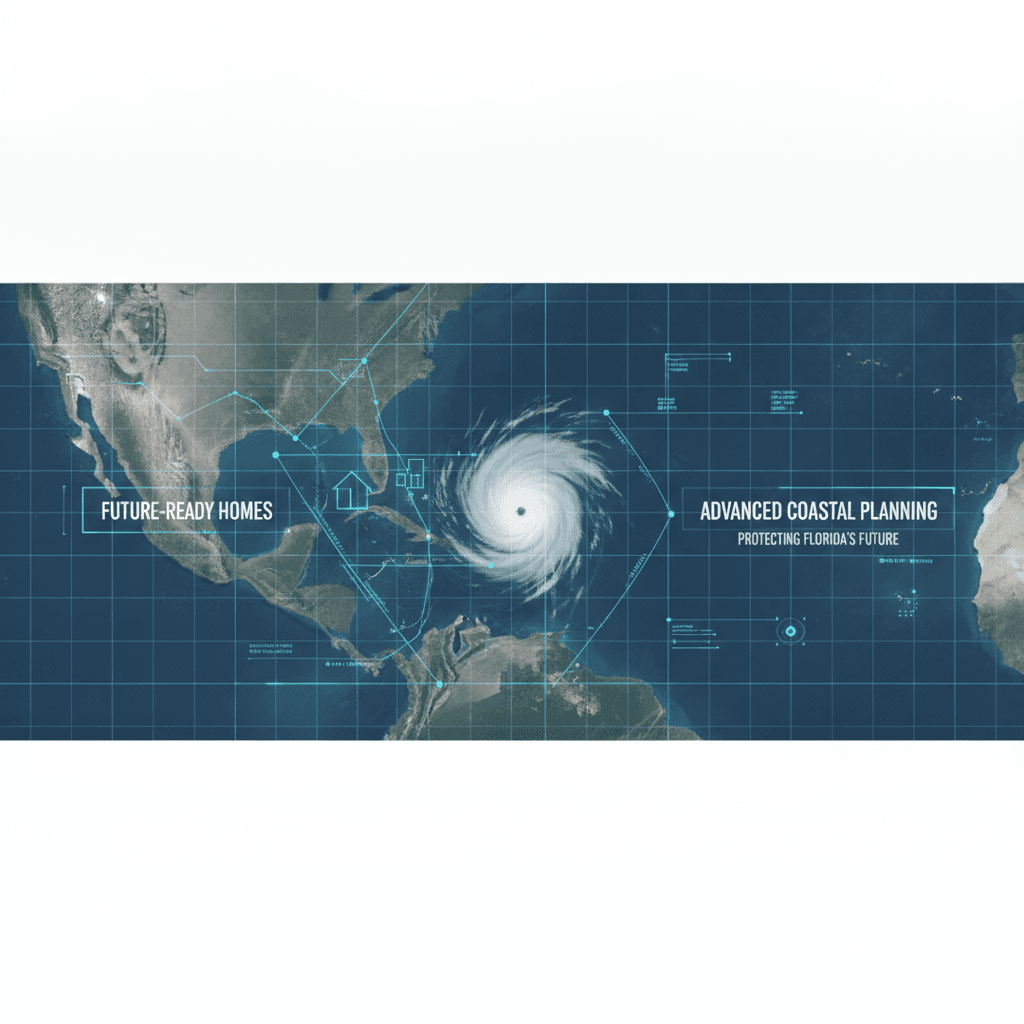
When the Atlantic Starts Brewing: Don't Get Caught Off Guard
Here in Florida, the Atlantic Tropical Weather Outlook isn't just another news report; it's a critical heads-up for every property owner. When the National Hurricane Center (NHC) flags a 'non-tropical area of low pressure' or a tropical wave, like the kind that might be brewing over the northeastern Atlantic, it's our cue to pay attention. It's a reminder that we're in hurricane season, and what starts as a small disturbance far away can sometimes become a major threat right on our doorstep.
From what we've seen over decades of helping Florida families and businesses recover, being prepared is the only real strategy. Waiting until a storm is named and heading your way is often too late to take the most critical, preventative actions. My goal today is to walk you through what these outlooks mean and, more importantly, what you should be doing right now to protect your property and your peace of mind.
Understanding the Weather Outlook: More Than Just a Forecast
Don't let the scientific jargon confuse you. When the NHC talks about a 'non-tropical area of low pressure' or an 'invest area,' they're pointing to an area in the ocean that has the *potential* to develop into a tropical depression, tropical storm, or even a hurricane. These systems thrive on warm ocean waters and can rapidly intensify, especially in the Gulf of Mexico or the Caribbean Sea.
We've seen hundreds of these develop, and while many fizzle out or stay far at sea, it only takes one to change everything for a community. Keeping an eye on the outlooks, even when the chances of formation are low, is a habit every Floridian property owner should cultivate. It’s about understanding the *potential*, not just the immediate threat.
Your Action Plan: Before the Storm Hits
This is where proactive action saves you money, stress, and heartache. We always tell folks: the best time to fix a leaky roof is when the sun is shining. The same goes for hurricane preparation. Here’s what you should be doing:
- Roof Inspection & Maintenance: Your roof is your first line of defense. Get it professionally inspected every year, especially before hurricane season. Look for loose shingles, damaged flashing, or any weak points. In Florida, high winds and torrential rain can exploit the smallest vulnerabilities. Don't wait until a tropical storm warning is issued to realize you have a problem. Proactive maintenance, like trimming overhanging branches, can prevent major damage later.
- Review Your Insurance Policy: Your homeowner's insurance is your safety net. Know what it covers, what it *doesn't*, and pay close attention to deductibles, especially for wind and hurricane damage. Flood insurance is often separate and is critical, even if you don't live in a designated flood zone. Water finds a way. Review your policy annually with your agent to ensure you have adequate coverage for replacement costs.
- Secure Your Property: Take an inventory of anything outdoors that could become a projectile in high winds – patio furniture, grills, trash cans, even decorative items. Plan where to store these items well in advance. Consider hurricane shutters or impact-resistant windows. For older homes, reinforcing garage doors can be a game-changer.
- Create a Documentation Baseline: Modern smartphones are your best friend here. Walk through your entire property, inside and out, taking clear photos and videos. Document the condition of your roof, exterior walls, windows, and every room inside. This baseline evidence is invaluable if you ever need to file an insurance claim, proving the condition of your property *before* any damage occurred.
- Build an Emergency Kit: While protecting your property, don't forget your family's safety. Have enough non-perishable food, water, batteries, medications, and other essentials for at least 72 hours, ideally longer. Communication is key, so make sure you have a way to charge devices and stay informed, even if power is out. Florida's Division of Emergency Management offers great resources for building a robust kit.
When the Storm Hits: Stay Safe and Continue Documenting
Once a storm is upon us, the priority shifts from preparation to safety. Follow all local emergency instructions. Stay indoors, away from windows, and in the safest part of your home. Even during the storm, if it's safe to do so, continue documenting.
For instance, if water starts entering your home, record it with photos and videos, noting the time and location. This real-time documentation can be crucial for your claim, especially for sudden and accidental damage. However, never risk your safety for documentation. Your life and your family's lives are far more important than any property damage.
After the Storm: Navigating Damage and Insurance Claims
Once the storm passes and it's safe to venture out, that's when the real work begins. Here's what we recommend:
- Assess for Immediate Dangers: Look for downed power lines, gas leaks, or structural instability. If you suspect any immediate danger, evacuate and contact emergency services.
- Prevent Further Damage: Your insurance policy typically requires you to take reasonable steps to prevent further damage. This might mean placing tarps over damaged roofs, boarding up broken windows, or removing standing water. Keep receipts for any materials you purchase for these emergency repairs.
- Document, Document, Document: This cannot be stressed enough. Take comprehensive photos and videos of *all* damage before you start any significant cleanup or repairs. Get close-ups and wide shots. Document not just the damage, but also the debris, the water lines, and anything else that tells the story of what happened.
- Contact Your Insurance Company: Report your claim as soon as possible. Be prepared to provide your policy number and a general description of the damage.
- Call In the Professionals: This is where a trusted team like Krüger Disaster Recovery comes in. We've seen homeowners make costly mistakes trying to assess damage themselves or dealing with adjusters alone. A professional damage assessment ensures nothing is missed. We work directly with you and your insurance company to ensure your claim is handled fairly, making sure you get what you need to fully restore your property. According to an industry report by The Insurance Information Institute, nearly 1 in 20 insured homes has a claim each year, highlighting the importance of proper documentation and expert handling.
Don't Wait Until It's Too Late
The Atlantic Tropical Weather Outlook is more than just a forecast; it's a call to action for every property owner in Florida. By understanding the risks, taking proactive steps, and having a plan in place, you empower yourself to protect your biggest investment. Don't gamble with your home and your future.
If you have any questions about your roof's condition, storm preparedness, or need a professional assessment, give us a call at Krüger Disaster Recovery Team. A free inspection could be the most important step you take this hurricane season.

Written by
Gus Kruger
CEO at Krüger
Gus Kruger is the founder and CEO of Krüger Disaster Recovery Team, a Florida-based company specializing in emergency property protection, roofing, and fencing. Since 2016, Gus has built the company from a one-man roof tarp operation into a full-service team of 50+ professionals, serving over 30,000 properties across Florida and the Southeast U.S. A preferred vendor for major insurance carriers, BBB A+ rated, and licensed & insured, Gus leads Krüger with a hands-on approach rooted in fast response, honest work, and long-term property solutions.