Atlantic Tropical Outlook: Your Florida Property Preparedness
 Gus Kruger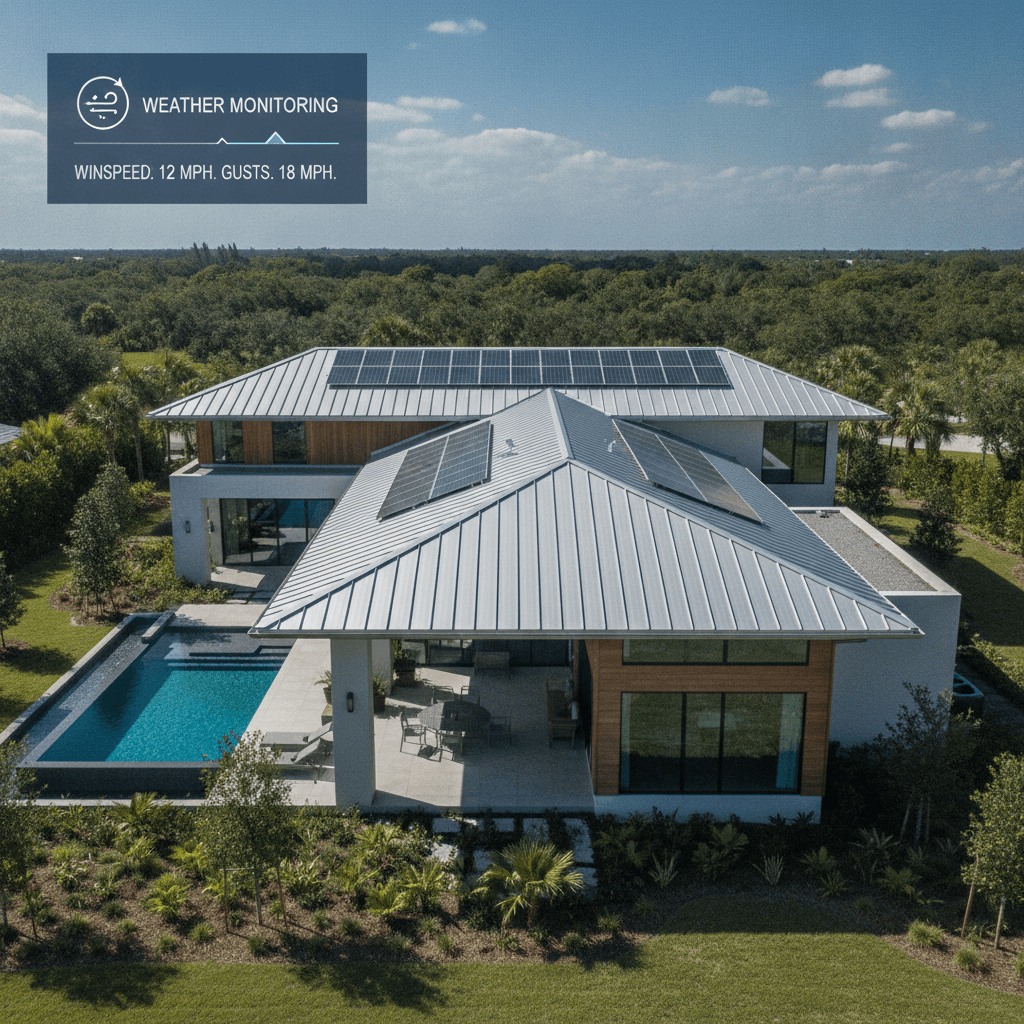
Always Vigilant: What the Atlantic Tropical Outlook Means for Florida
Down here in Florida, we live and breathe the weather. When the National Hurricane Center puts out its Tropical Weather Outlook, referencing something like a "broad low-level circulation" in the Central Subtropical Atlantic, it's not just background noise to us at Krüger Disaster Recovery Team. It's a signal. A reminder that our tropical weather outlook is a constant, year-round conversation, especially during hurricane season from June 1st to November 30th. Even a system that's still "broad" and "disorganized" serves as a crucial prompt for every property owner.
In our experience, waiting until a storm is named and heading our way is often too late for proactive measures. The time to prepare your home and understand your insurance is right now, when the skies are clear, or when a distant, developing system is just a blip on the radar. As a company built on hustle and real results, we've seen firsthand how a little bit of foresight saves a whole lot of heartache and expense down the road.
Your Roof: The First Line of Defense Against Florida Weather
When it comes to your property, your roof is your primary shield. Florida's harsh sun, relentless humidity, and the sheer force of tropical storms and hurricanes put an immense strain on roofing materials. That broad circulation out in the Atlantic? It's a reminder that strong winds and heavy rains are always a possibility, and your roof needs to be ready.
- Regular Inspections are Non-Negotiable: Don't wait for a leak. Small issues, like loose shingles, cracked tiles, or worn-out sealant, become massive problems under hurricane-force winds. We've seen hundreds of times how a preventative inspection can spot these vulnerabilities before they turn into costly hurricane damage.
- Understand Florida Building Codes: Our state has some of the most stringent building codes in the nation for a reason. Adhering to the Florida Building Code, especially when it comes to roof installations and repairs, isn't just about compliance; it's about resilience. A properly installed and maintained roof, built to code, significantly improves your home's ability to withstand wind damage. This also plays a huge role in your wind mitigation credits for insurance.
- Materials Matter: Whether you have asphalt shingles, metal roofing, or tile, each material has its strengths and weaknesses. Knowing the age and condition of your specific roof type is key to predicting its performance in severe weather.
Beyond the Roof: Comprehensive Property Preparedness
While the roof is critical, preparedness extends to every corner of your property. Neglecting seemingly minor details can lead to significant damage when a tropical system approaches.
- Gutters and Drainage: Clogged gutters can cause water to back up, leading to fascia rot, soffit damage, and even foundation issues. Ensure they're clear and that downspouts direct water away from your home's foundation. Proper drainage prevents water intrusion during heavy rains.
- Secure Outdoor Items: From patio furniture to trash cans, anything not secured can become a dangerous projectile in high winds. Store them indoors or tie them down well in advance of any forecasted severe weather.
- Tree Trimming: Overhanging branches are a major source of property damage during high winds. Trim back any weak or encroaching limbs to protect your roof and windows.
Navigating Insurance: Your Financial Shield
Just as your roof protects your home physically, your insurance policy protects your investment financially. This is where many homeowners get caught off guard after a storm.
- Review Your Policy Annually: Don't wait for a storm to hit. Sit down with your agent and understand your coverage, especially your deductibles. Florida policies often have separate "hurricane deductibles" which can be a percentage of your home's insured value, not a flat dollar amount. The Florida Office of Insurance Regulation (FLOIR) offers excellent resources to help you understand your policy.
- Document Everything: Before hurricane season fully ramps up, take clear photos and videos of your home's interior and exterior. Document high-value items. This visual evidence is invaluable if you need to file an insurance claim after a storm. Store these documents in a secure, off-site location or cloud storage.
- The Claims Process: If you do suffer damage, contact your insurer immediately. Then, call a trusted, local contractor like Krüger. We work with you and your insurance adjuster to ensure all damage is properly assessed and documented. Our job is to advocate for you, ensuring you get the fair assessment you deserve to restore your property. Don't feel pressured to accept the first offer if it doesn't cover the full scope of repairs.
Post-Storm Action: What to Do Immediately
After a storm passes, your first priority is safety. Once safe, swift action can prevent further damage:
- Assess Damage Safely: Don't climb on your roof or enter areas that appear structurally unsound.
- Prevent Further Damage: If you have roof damage, temporary measures like tarping can prevent water intrusion. This is often covered by your insurance, and a professional can do it safely and effectively.
- Call the Experts: Once you've notified your insurance, call us. We specialize in disaster recovery, from initial assessment to full restoration. We'll handle the complex process, from detailed damage reports to working with your insurance company, so you can focus on getting your life back to normal. We pride ourselves on transparent communication and quality workmanship, ensuring your property is restored better than before.
That "broad low-level circulation" is more than just meteorology; it's a call to action for every Florida property owner. It’s a reminder that preparedness isn't a one-time task, but an ongoing commitment. At Krüger Disaster Recovery Team, we're not just contractors; we're your neighbors, dedicated to protecting what you've worked hard for. Stay informed, stay prepared, and remember, we're always here to help.
Need peace of mind? Call us today for a free, comprehensive property inspection. Let's make sure your home is ready for whatever the Atlantic tropical weather brings.

Written by
Gus Kruger
CEO at Krüger
Gus Kruger is the founder and CEO of Krüger Disaster Recovery Team, a Florida-based company specializing in emergency property protection, roofing, and fencing. Since 2016, Gus has built the company from a one-man roof tarp operation into a full-service team of 50+ professionals, serving over 30,000 properties across Florida and the Southeast U.S. A preferred vendor for major insurance carriers, BBB A+ rated, and licensed & insured, Gus leads Krüger with a hands-on approach rooted in fast response, honest work, and long-term property solutions.