
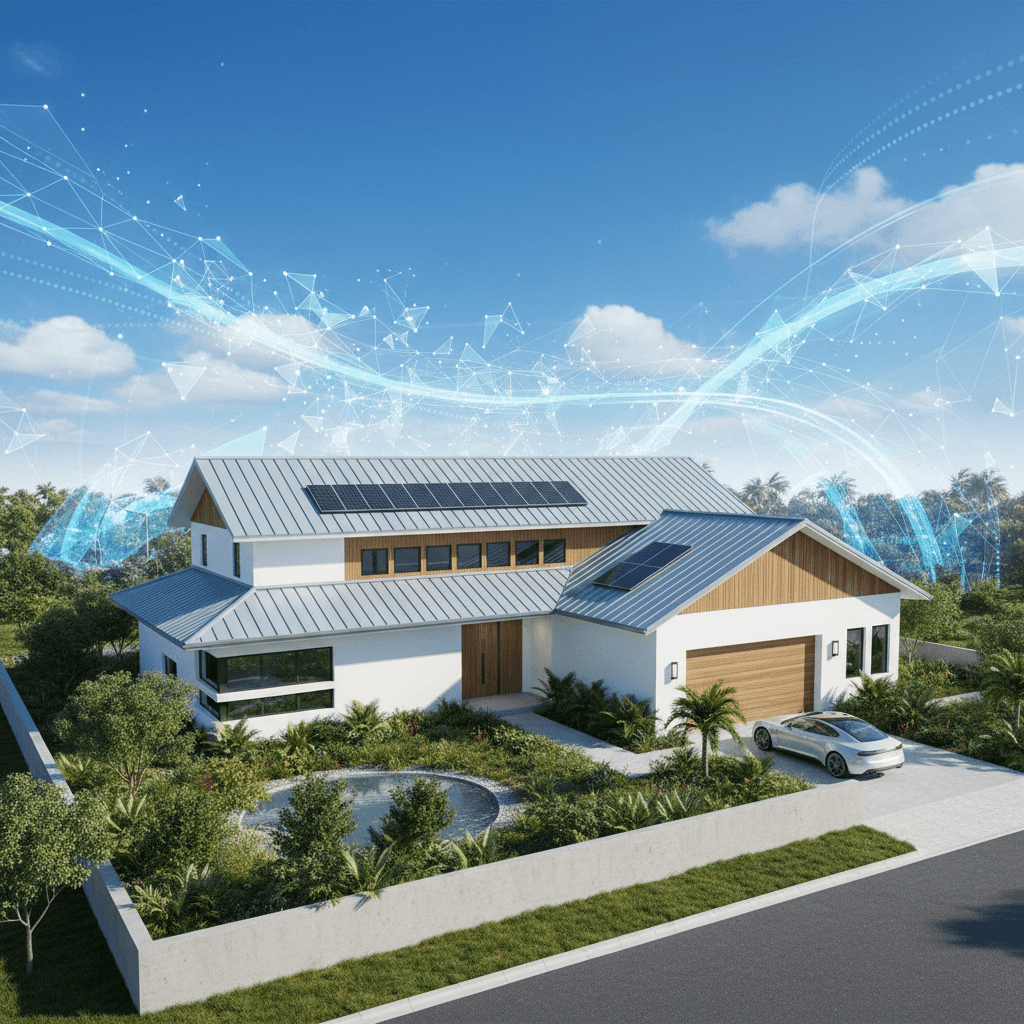
A Brief Respite, But Stay Sharp, Florida!
Here in Florida, we live by the weather. So, when the National Hurricane Center releases an outlook, we pay attention. The latest Tropical Weather Outlook from the NHC, specifically for the North Atlantic, Caribbean Sea, and the Gulf of America, issued on May 29, 2026, states clearly: tropical cyclone formation is not expected during the next 7 days. That's good news, a welcome calm.
But as someone who's spent decades protecting properties across this state, I'll tell you straight: a 7-day forecast is a blink in the grand scheme of our hurricane season. That season officially kicks off on June 1st, and it runs all the way through November. This brief lull isn't a signal to relax; it's a golden opportunity to get ahead.
Why This Calm is Your Chance to Prepare
Think of it like this: the storm isn't on your doorstep, so now's the time to fix that leaky faucet or patch that loose shingle without the added stress. When a major system is barreling towards us, every minute counts, and contractors are swamped. Proactive preparation now can save you a world of headaches, and potentially, a lot of money, later.
Your Roof: Your Property's First Line of Defense
Your roof is the shield that protects everything under it. In Florida, with our relentless sun, humidity, and sudden downpours, a roof takes a beating year-round, not just during hurricanes. A small issue – a cracked shingle, loose flashing, or a compromised seal – can become a catastrophic failure in high winds or torrential rain. We've seen this hundreds of times: a minor repair that could have been done for a few hundred bucks turns into a full roof replacement claim after a tropical storm, simply because it was ignored.
- Get a Professional Inspection: Before the real action starts, have a qualified professional give your roof a thorough going-over. They can spot weak points you'd never see from the ground. We offer free, no-obligation inspections for exactly this reason – peace of mind is priceless.
- Trim Trees: Overhanging branches are a massive risk. A gust of wind can turn them into battering rams against your roof and windows.
- Clear Gutters: Clogged gutters can lead to water pooling, fascia rot, and even foundation issues. Ensure they're clear to handle heavy Florida rains.
Securing Your Property: Beyond the Roof
While the roof is critical, your entire property needs attention:
- Windows and Doors: Check the seals around all windows and doors. Old, cracked caulk can allow water intrusion, leading to mold and interior damage. Consider hurricane-rated windows or shutters if you don't have them.
- Loose Items: Anything not tied down can become a projectile. Bring in patio furniture, trash cans, grills, and decorative items. Secure sheds and carports.
- Yard Drainage: Ensure your yard drains away from your foundation. Standing water is an invitation for trouble, from mosquito breeding grounds to structural issues over time.
Understanding Your Insurance Policy: Before the Storm Hits
This is crucial, folks. Don't wait until you're filing a claim to read your insurance policy. We consistently advise our clients to understand their coverage.
- Know Your Deductible: Especially your hurricane deductible, which is often a percentage of your home's insured value, not a flat dollar amount.
- Review Your Coverage Limits: Are you adequately covered for replacement costs? Construction costs have skyrocketed, and what seemed sufficient five years ago might not be enough today.
- Document Everything: Take detailed photos and videos of your property, inside and out, before any storm threat. This provides irrefutable evidence of the condition of your home *before* damage. Store these safely in the cloud.
- Understand the Claims Process: Knowing what to expect when working with an adjuster can make a huge difference. As a trusted partner, we're here to help guide you through that process.
Florida's Unique Challenges: Humidity, Building Codes, and Repeat Storms
Living in Florida means dealing with unique challenges. Our high humidity means water intrusion isn't just about structural damage; it's also about rapid mold growth. This can turn a manageable repair into a complex remediation project very quickly.
Florida's building codes are among the most stringent in the country, especially in coastal areas. While this is great for resilience, it means repairs often require specific materials and installation methods. Always work with licensed and insured contractors who are intimately familiar with local codes to ensure your repairs are done right and pass inspection.
Finally, we often experience multiple weather events in a single season. A roof weakened by one tropical storm might fail completely in the next. Regular checks and proactive repairs are your best defense.
Don't Just Hope for the Best – Prepare for It
While the current tropical weather outlook is quiet, it's a temporary reprieve. Hurricane season is upon us, and preparation is not a chore; it's an investment in your property and your peace of mind. We're here to help you get ready, to protect your investment, and to be your trusted partner if the worst does happen.
If you've got questions, or if you just want an expert eye on your property before the season gets into full swing, give us a call at Krüger Disaster Recovery Team. Let's make sure you're ready for whatever Mother Nature throws our way.

Written by
Gus Kruger
CEO at Krüger
Gus Kruger is the founder and CEO of Krüger Disaster Recovery Team, a Florida-based company specializing in emergency property protection, roofing, and fencing. Since 2016, Gus has built the company from a one-man roof tarp operation into a full-service team of 50+ professionals, serving over 30,000 properties across Florida and the Southeast U.S. A preferred vendor for major insurance carriers, BBB A+ rated, and licensed & insured, Gus leads Krüger with a hands-on approach rooted in fast response, honest work, and long-term property solutions.