
Navigating Florida's Hurricane Season: My Hard-Earned Advice
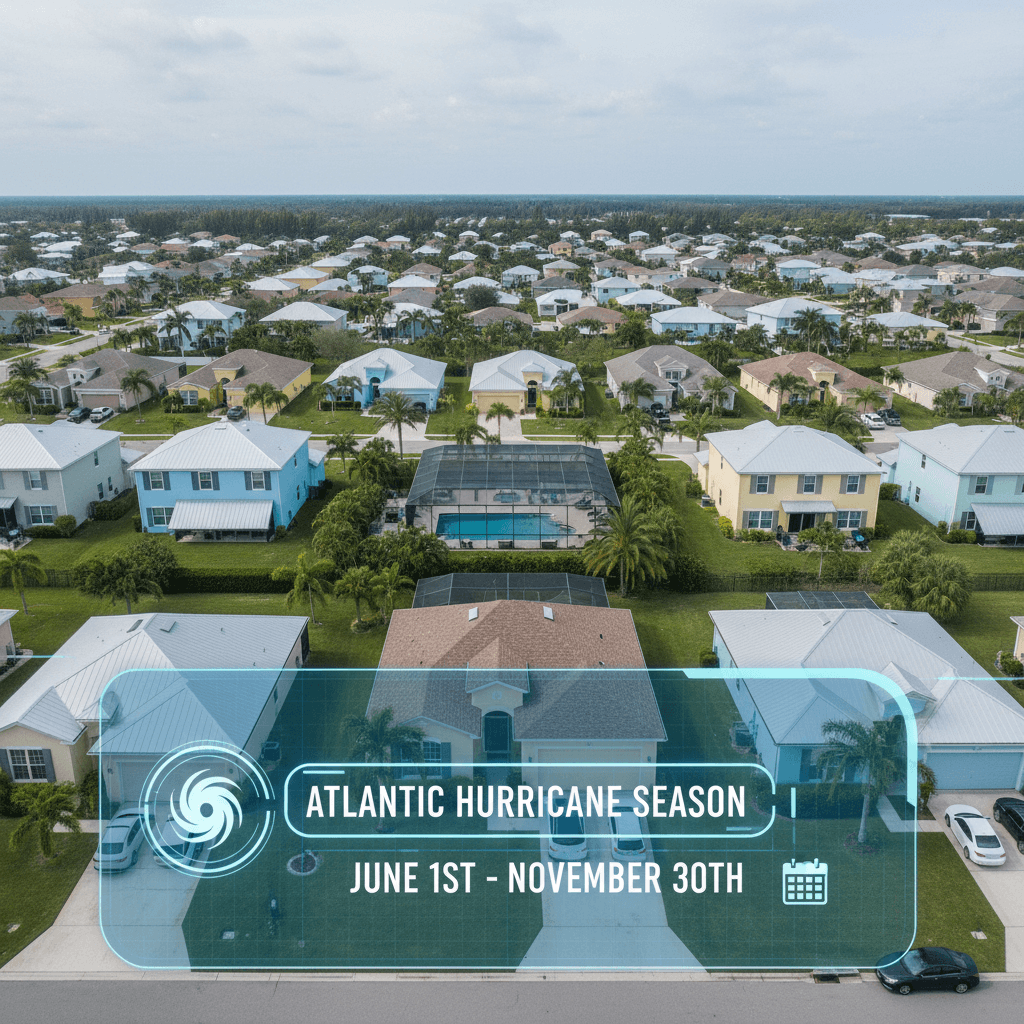
Here in Florida, the calendar changing isn't just about the seasons; it's about shifting gears into preparedness mode. When June 1st rolls around, it marks the official start of something serious for all property owners in our state: the Atlantic hurricane season. And it doesn't let up until November 30th. As the experts at the National Hurricane Center remind us every year, that's six long months where we need to be on high alert, ready for whatever Mother Nature decides to throw our way.
I’ve been in this business long enough to have seen the aftermath of countless storms, from the relentless downpours of a tropical depression to the devastating winds of a Category 4 hurricane. Each year, we witness firsthand the immense impact these events have on homes and businesses across Florida. The wind, the rain, the flying debris, the unexpected flooding – it can transform a solid investment into a monumental headache overnight if you're not ready.
Understanding the Real Threats to Your Property
When a tropical storm or hurricane approaches, it's not just about the big, dramatic damage you see on the news. Often, it's the less obvious issues that lead to the most significant problems later on. We've compiled a list of the most common types of damage we encounter:
- Wind Damage: This is the classic. Shingles ripped off, siding torn, fences flattened, even entire roof structures compromised. Even seemingly minor wind damage can lead to major water intrusion if not addressed promptly.
- Water Damage: Rain, rain, and more rain. From leaky roofs and windows allowing water into your attic and walls, to storm surge and inland flooding, water is often the most insidious destroyer. It leads to mold, structural rot, and can ruin interiors.
- Debris Damage: Trees falling on homes, branches puncturing roofs, or loose yard items becoming projectiles. Proper yard maintenance before a storm is crucial to minimize this risk.
- Structural Compromise: Severe storms can shift foundations, crack walls, and weaken the overall integrity of a building. This is where professional assessment is critical.
In our experience, preparedness isn't just about having an emergency kit; it's about understanding these threats and taking proactive steps to mitigate them. Don't wait until a named storm is heading our way to start thinking about it.
Your Pre-Season Game Plan: Protect Your Investment
My advice to every property owner in Florida is simple: don't wait. The best defense against hurricane season is a good offense. This means getting your property in shape *before* the storms arrive. Think of it as preventative medicine for your home or business.
1. Get a Professional Roof Inspection
Your roof is your first line of defense. A small, unnoticed shingle lift or a hairline crack in a tile can become a catastrophic opening during a tropical storm or hurricane. We've helped countless property owners avoid bigger headaches by spotting these weak points early. A thorough inspection will identify loose shingles, worn seals, or compromised flashing that could allow water intrusion. Investing in a pre-season inspection is a smart move that can save you tens of thousands in damage and repair costs down the line. It ensures your roof is ready to withstand the significant wind uplift and driving rain that Florida storms bring.
2. Understand Your Insurance Policy – Really Understand It
This is, without a doubt, one of the most critical steps. Sit down with your insurance agent *before* hurricane season. Don't just skim the paperwork. Understand your deductible, especially for hurricanes. Know your coverage for wind vs. water damage – these are often separate. Ask about Additional Living Expense (ALE) coverage if you have to evacuate or your home becomes uninhabitable. The Florida Department of Financial Services has excellent resources and guides to help consumers understand their property insurance policies. You need to know what's covered, what's not, and the specific steps you need to take to file a claim. Don't wait until you're dealing with damage and emotional stress to learn the details.
3. Basic Home and Yard Maintenance
These aren't just chores; they're essential protective measures. Clean your gutters and downspouts to ensure proper water drainage away from your foundation. Trim any dead or overhanging branches from trees that could fall on your home or your neighbor's. Secure any loose outdoor items – patio furniture, grills, trash cans – or plan to bring them inside when a storm threatens. Even small items can become dangerous projectiles in high winds.
4. Assemble a Comprehensive Emergency Kit and Plan
Beyond property preparedness, personal safety is paramount. Have a well-stocked emergency kit with enough non-perishable food, water (one gallon per person per day for at least seven days), medications, batteries, flashlights, and a first-aid kit. Develop a family emergency plan, including evacuation routes and contact information. The Florida Division of Emergency Management offers excellent checklists and resources for creating your family's preparedness plan.
After the Storm: Navigating the Claims Process
Once a storm has passed and it's safe to do so, your focus shifts from preparation to recovery. This is where things can get tricky, and having a plan in place will serve you well.
1. Document Everything Immediately
As soon as it's safe, and before you touch anything, start documenting the damage. Take clear photos and videos from multiple angles. Get close-ups of specific damage and wider shots to show the overall context. This visual evidence is invaluable when filing an insurance claim. Do not make permanent repairs until your insurance company has had a chance to inspect the damage, but do perform temporary, emergency repairs to prevent further damage (e.g., tarping a damaged roof). Keep receipts for any materials used for these temporary fixes.
2. Contact Your Insurance Company Promptly
The sooner you file your claim, the sooner the process can begin. Be prepared to provide details about the damage you've documented. Your insurance company will likely send an adjuster to assess the damage. This is where having a trusted partner like Krüger Disaster Recovery Team can make a significant difference.
3. Working with Adjusters and Contractors
Insurance adjusters are doing their job, but their primary goal is to assess the damage on behalf of the insurance company. You need someone on your side who understands the full extent of the damage, what it truly takes to repair it, and, crucially, who understands Florida's stringent building codes. We've built our reputation on navigating these complex waters. We work *with* adjusters, presenting a clear, honest, and comprehensive assessment of the damage and the necessary repairs, ensuring your property is restored properly and to code.
4. Beware of Storm Chasers: Choose Local Expertise
After a major storm, Florida gets flooded with out-of-state contractors – often referred to as 'storm chasers.' These companies often promise quick fixes but can leave you with shoddy work, incomplete repairs, and further problems down the line. We strongly advise against signing anything with a contractor who shows up unsolicited at your door. Instead, choose local, reputable contractors with a proven track record right here in Florida. Ask for references, check their licenses with the Florida Department of Business and Professional Regulation, and ensure they are insured. A local company like ours understands Florida's specific climate challenges, unique building codes – such as those for wind-resistant construction – and we're here year-round, not just when there's a quick buck to be made.
Building Stronger, Together
It's not just about repairing what's broken; it's about rebuilding stronger and smarter. Florida's building codes have evolved precisely to make our homes and businesses more resilient against the powerful forces of nature. When Krüger Disaster Recovery handles a repair, we're not just fixing the visible damage; we're ensuring every aspect of the repair meets or exceeds current standards, giving you better, longer-lasting protection for the next storm.
Don't let hurricane season catch you off guard. A little preparation goes a long way in protecting your property, your investment, and your peace of mind. If you have questions about your roof's condition, need a pre-season inspection, or find yourself dealing with storm damage, give us a call. We're here to help.

Written by
Gus Kruger
CEO at Krüger
Gus Kruger is the founder and CEO of Krüger Disaster Recovery Team, a Florida-based company specializing in emergency property protection, roofing, and fencing. Since 2016, Gus has built the company from a one-man roof tarp operation into a full-service team of 50+ professionals, serving over 30,000 properties across Florida and the Southeast U.S. A preferred vendor for major insurance carriers, BBB A+ rated, and licensed & insured, Gus leads Krüger with a hands-on approach rooted in fast response, honest work, and long-term property solutions.