When a '30-Foot Hole' Appears: Hurricane Roof Damage & Your Florida Property
 Gus Kruger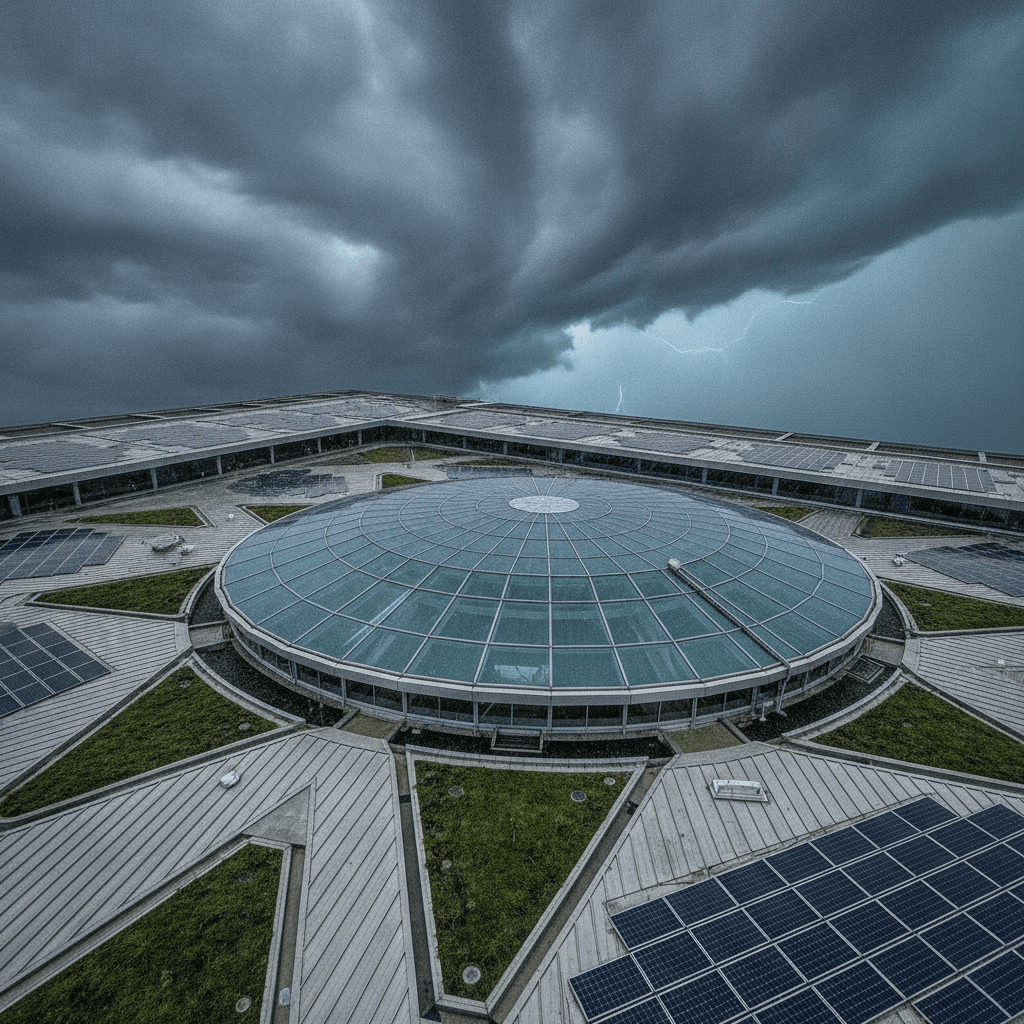
When a '30-Foot Hole' Appears: Hurricane Roof Damage & Your Florida Property
Down here in Florida, we live with the reality of hurricane season. Every year, we watch the tropics, prepare our homes, and cross our fingers. But sometimes, even the best preparations aren't enough, and the sheer force of a storm can be truly staggering. We recently saw a stark reminder of this when Hurricane Milton ripped through, reportedly tearing a '30-foot hole' in the roof of a Florida airport after a skylight failed. Thankfully, no one was injured, but that headline hits home for any property owner in our state. It’s a powerful illustration of the catastrophic roof damage these storms can inflict.
More Than Just a Hole: The Realities of Hurricane Roof Damage
While a '30-foot hole' is dramatic, most hurricane damage isn't quite so obvious at first glance. We've seen hundreds of roofs after storms like Milton, and the damage often starts subtly. High winds don't just lift entire sections; they can lift individual shingles, compromise the underlayment, or tear off flashing around chimneys and vents. These seemingly minor issues create weak points where water can infiltrate, leading to bigger, costlier problems down the line – especially with Florida's notorious humidity and potential for mold growth.
Skylights, like the one at the airport, are indeed a common vulnerability. They are breaks in the continuous surface of your roof, and if not installed perfectly or if they're older and deteriorating, they become prime targets for wind and water intrusion. Even minor impacts from wind-driven debris can shatter them, leaving your interior exposed.
The Evolution of Florida Building Codes & Your Roof
One of the silver linings to our frequent hurricanes is that Florida has some of the most stringent building codes in the nation, particularly when it comes to roofs. After Hurricane Andrew in 1992, codes were significantly updated to withstand higher wind speeds and improve the overall resilience of structures. Modern roofing systems installed according to these codes, often with thicker underlayment, enhanced nailing patterns, and sealed roof decks, are far more robust than older ones.
However, many homes and commercial properties in Florida still have older roofs that predate these stricter codes. Even a well-maintained roof has a lifespan, and as materials age, they become less flexible and more brittle, making them more susceptible to the intense winds and torrential rains of a tropical storm or hurricane. This is why a regular roof inspection, especially before hurricane season ramps up, is critical for any property owner.
Immediate Steps After a Florida Storm
- Prioritize Safety: Your safety and the safety of anyone on your property come first. If you suspect severe damage like the airport experienced, evacuate and call emergency services if necessary. Do NOT attempt to inspect a dangerous roof yourself.
- Temporary Protection: Once it's safe, your immediate goal is to prevent further damage. This often means temporarily tarping any open areas or leaks. We always advise caution and recommend a professional for this, as working on a damaged roof can be extremely hazardous.
- Document Everything: This is crucial for your insurance claim. Take detailed photos and videos of all visible damage – both inside and out. Note the date and time. This documentation provides undeniable evidence for your adjuster.
- Contact Your Insurance Company: Notify your insurer as soon as possible. Understand your policy's terms regarding hurricane deductibles and claim procedures.
Navigating Your Roof Repair and Insurance Claim
After you've taken immediate steps, the next phase is critical: getting your roof assessed and repaired, and dealing with your insurance company. This is where having a trusted local contractor, experienced with hurricane damage and insurance claims, makes all the difference.
In our experience, an independent, professional roof assessment is paramount. While your insurance company will send an adjuster, their primary goal is to assess the damage from the insurer's perspective. A reputable roofing contractor will conduct a thorough inspection, identifying both obvious and hidden damage that an adjuster might miss. We look for things like lifted shingles, compromised flashing, water intrusion into the attic, and structural issues that might not be visible from the ground.
Having a detailed report and estimate from your contractor can significantly streamline the claims process. It ensures that all damage is accounted for and properly estimated, helping you get the full compensation you're entitled to for your roof repair or, if necessary, a full roof replacement. Remember, your policy is a contract, and you have rights. The Florida Department of Financial Services offers resources to help consumers understand their rights during the claims process.
Beyond Repair: When a Roof Replacement is Necessary
Sometimes, the damage is so extensive that a simple roof repair isn't sufficient or cost-effective. In such cases, a complete roof replacement is the safest and most prudent option. This ensures your property is brought up to current Florida building codes and is better prepared for future hurricane seasons. It's an investment in the longevity and safety of your home or business.
Protecting Your Investment: Proactive Measures
While we can't stop hurricanes, we can certainly prepare for them. Here are a few proactive steps:
- Regular Inspections: Have your roof professionally inspected at least once a year, and definitely after any significant storm, even if you don't see obvious damage.
- Maintain Gutters and Drains: Clear gutters ensure water properly sheds from your roof, preventing water pooling and potential leaks.
- Trim Trees: Remove dead or overhanging branches that could become projectiles in high winds.
- Review Your Insurance Policy: Understand your coverage, deductibles, and any specific hurricane provisions before a storm hits.
Seeing an airport roof ripped open by a storm is a stark reminder of the immense power of nature. While we hope you never face such catastrophic damage, understanding the risks and knowing what to do can protect your property and peace of mind. If you're concerned about your roof's integrity, especially after a Florida storm, don't wait. Reach out for a professional assessment – it could save you a world of trouble down the road.

Written by
Gus Kruger
CEO at Krüger
Gus Kruger is the founder and CEO of Krüger Disaster Recovery Team, a Florida-based company specializing in emergency property protection, roofing, and fencing. Since 2016, Gus has built the company from a one-man roof tarp operation into a full-service team of 50+ professionals, serving over 30,000 properties across Florida and the Southeast U.S. A preferred vendor for major insurance carriers, BBB A+ rated, and licensed & insured, Gus leads Krüger with a hands-on approach rooted in fast response, honest work, and long-term property solutions.